Professional swimming pool leak detection
Professional Pool Leak Detection in Littleton, CO
If the water line drops faster than normal, guessing wastes water and time. Professional pool leak detection checks the vessel, fittings, equipment, and plumbing so normal evaporation is not confused with a leak. Pool water loss can come from evaporation, a fitting, the shell, equipment, or buried plumbing. We compare when the level drops, how the system behaves, and where moisture appears so the correct part is tested first.
About this service
A careful search built around swimming pool leak detection.
Pool water loss can come from evaporation, a fitting, the shell, equipment, or buried plumbing. We compare when the level drops, how the system behaves, and where moisture appears so the correct part is tested first.
A pool can lose water at a cracked fitting while the wettest patch of soil sits yards away near the deck edge, so we never point at the dampest ground and call it the leak. We ask when the level drops fastest, sketch the pool plumbing runs, and pick the gentlest pool test that can rule the next suspect in or out.
This service fits pool owners who want one marked spot to hand a repair crew, not a full dig based on a guess. You get plain words, one tight repair zone, and a straight answer when the clues point to both the shell and a buried line at once.
Why pool owners trust this check
Tested, not guessed.
Our Littleton pool team picks each test on purpose, keeps deck and yard surfaces intact where we can, and walks you through every reading in plain words. When we finish, the next repair step is clear and backed by what the tests showed.
Bucket, dye, and pressure checks run in the order your pool clues call for, not all at once.
Buried pool lines stay closed until a pressure test names the run that fails.
We show you the drop rate, the test result, and the marked spot in words anyone can follow.
Pools and yards across the Littleton area have been our daily work since 2018.
How pool testing runs
From falling water level to the leak.
Each test follows the one before it, so the results build on each other. The search stays tight, and your repair crew gets a clear spot to start from.
Compare water loss and visible clues
We start with the drop pattern and the pool pipe map, so the first bucket or dye test has a clear job.
Check fittings, surfaces, and equipment
Each reading is set against the last one, and we only move deeper where the loss points.
Pressure-test likely plumbing runs when needed
The failing run or fitting gets marked, and we tell you what the repair crew will find there.
Three pool jobs, before and after
Three pool leaks, pinned down before any repair.
Each swimming pool leak detection project begins with a broad warning sign and ends with a smaller, evidence-led area for repair. Each pair of photos shows the search going from a wide worry to one marked spot the repair crew can use.
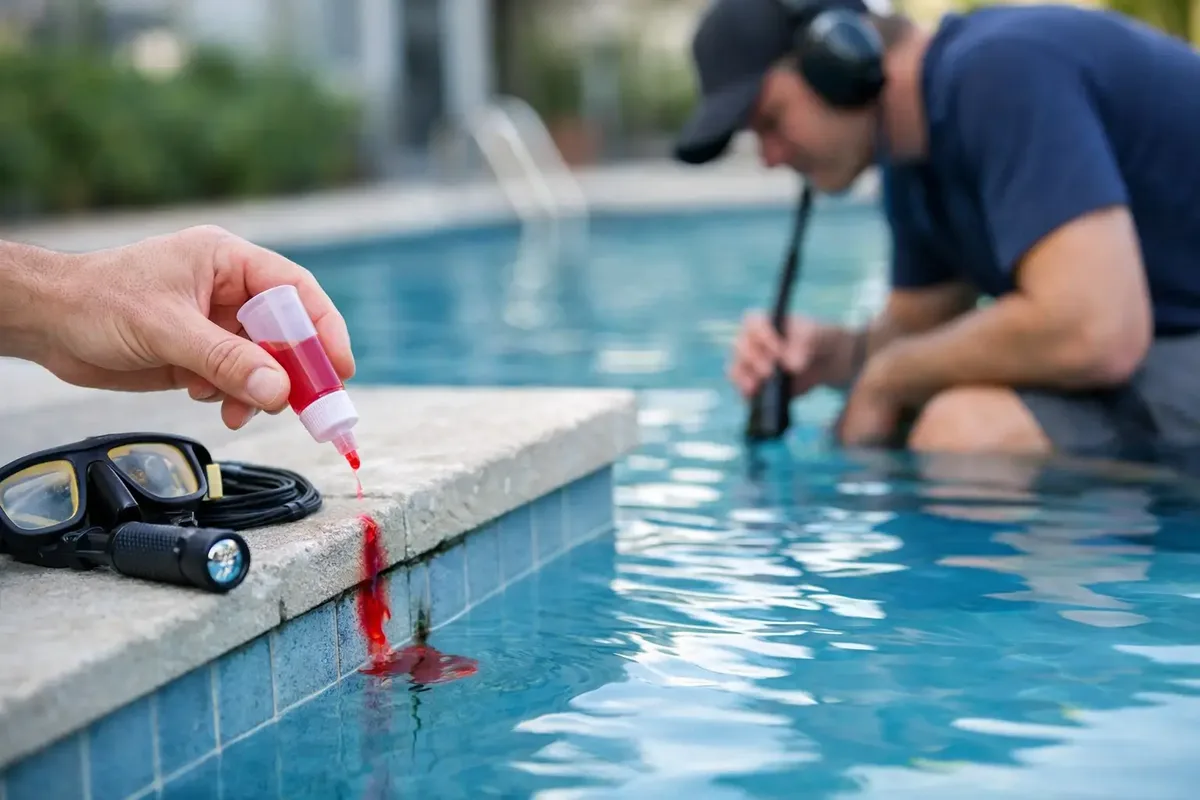 Before · Project 01
The pool loses more water than a simple bucket comparison suggests. We review weather and use patterns, then check the vessel and fittings before blaming buried plumbing.
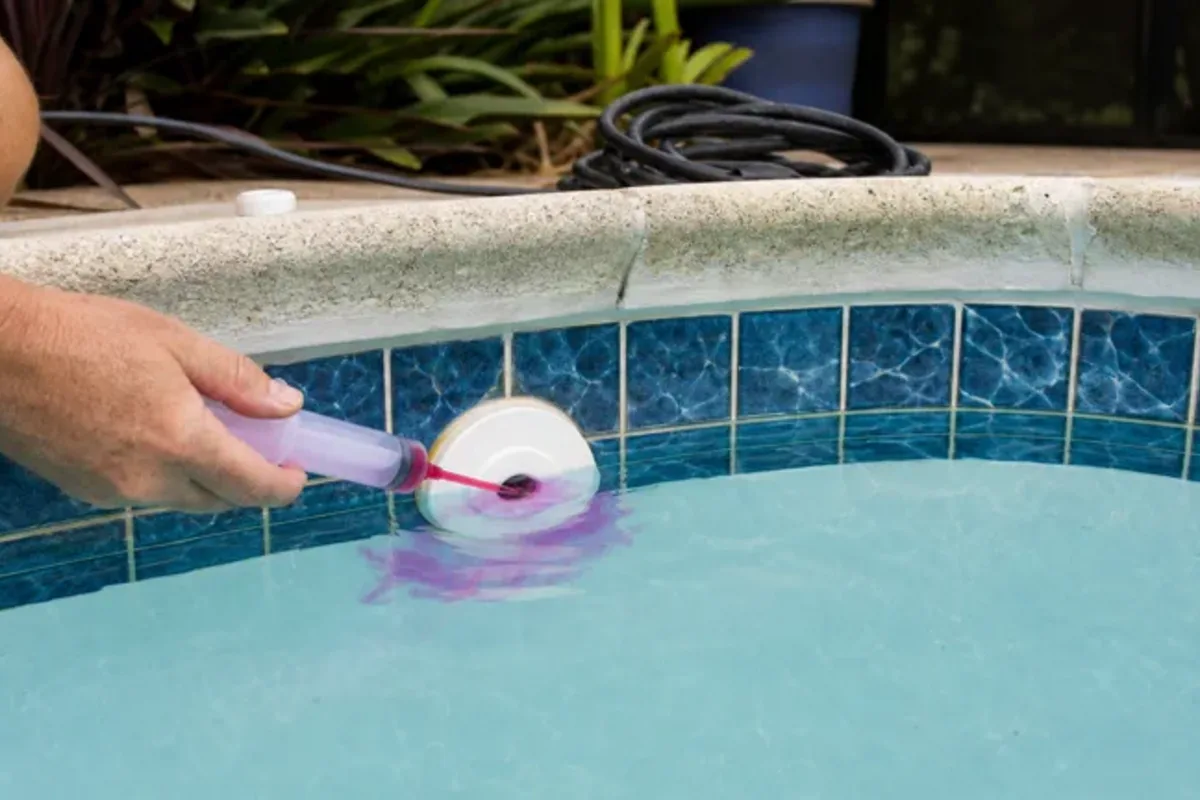 After · Know where the pool loses water
The bucket test ruled out simple evaporation, so the search moved to the plumbing with real evidence behind it.
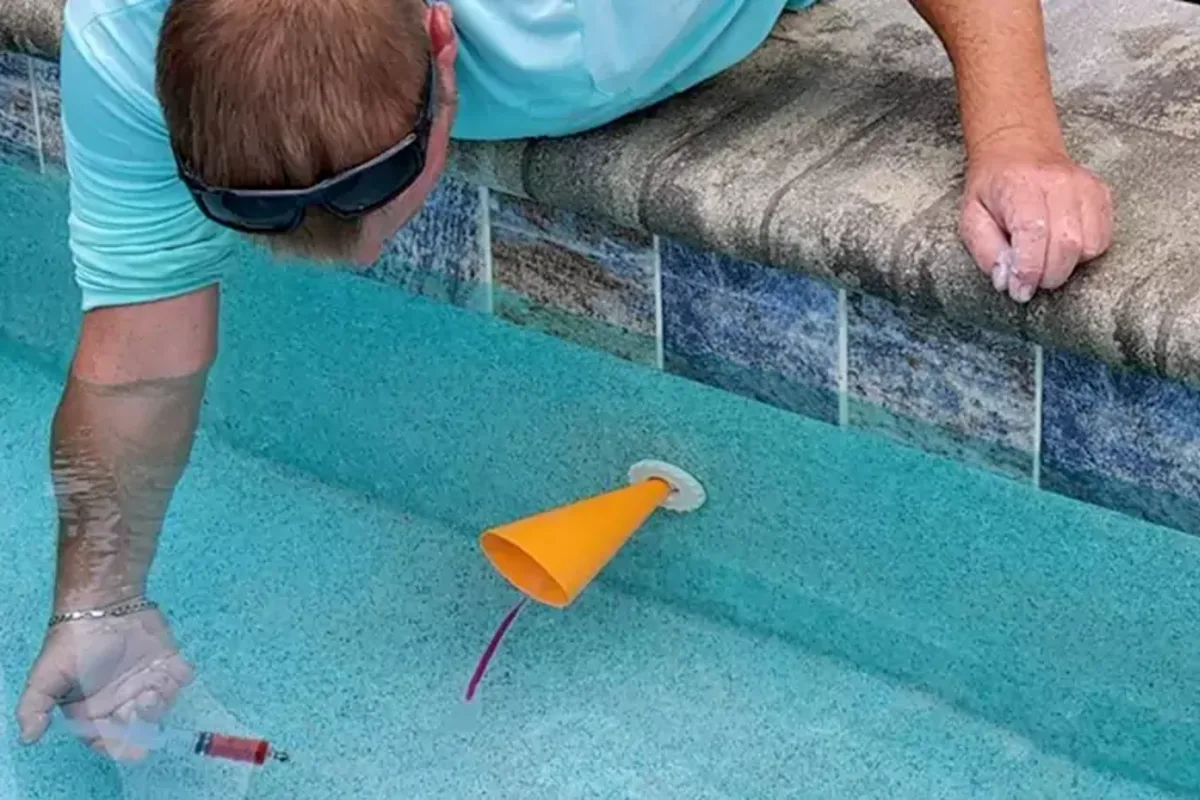 Before · Project 02
Wet soil appears near the equipment pad or a return line. We inspect accessible fittings, pumps, filters, and valves, then isolate the plumbing run that best matches the wet area.
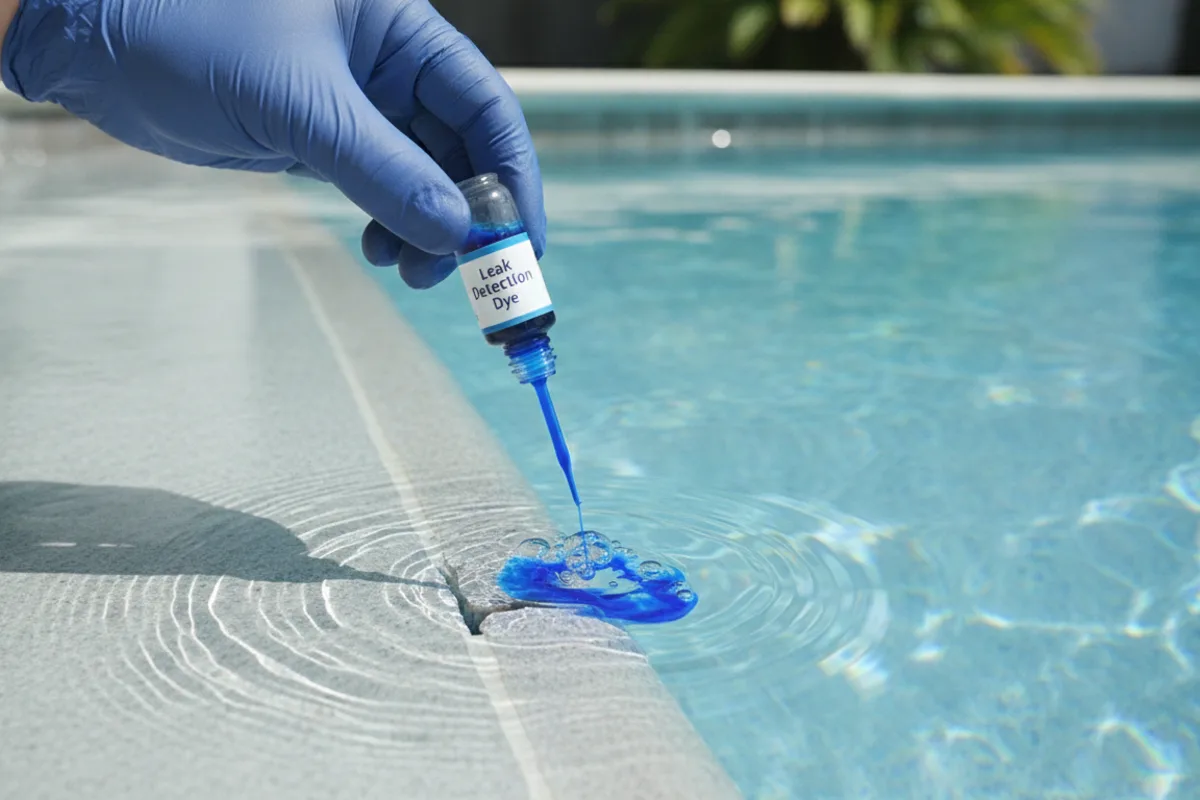 After · Know where the pool loses water
The wettest soil sat right over one return run, and that match is what the repair crew received.
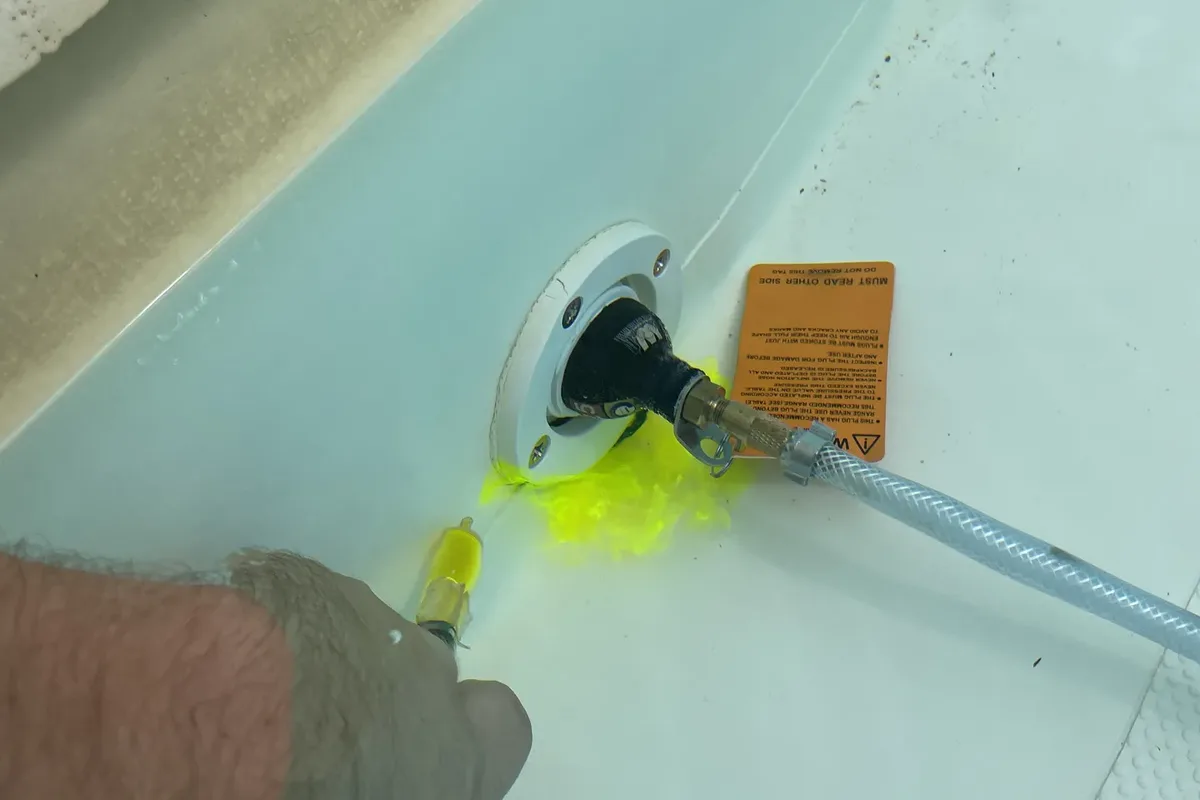 Before · Project 03
Air enters the system or water loss changes when the pump runs. That pattern helps separate suction-side, pressure-side, and shell concerns before focused pressure or dye testing.
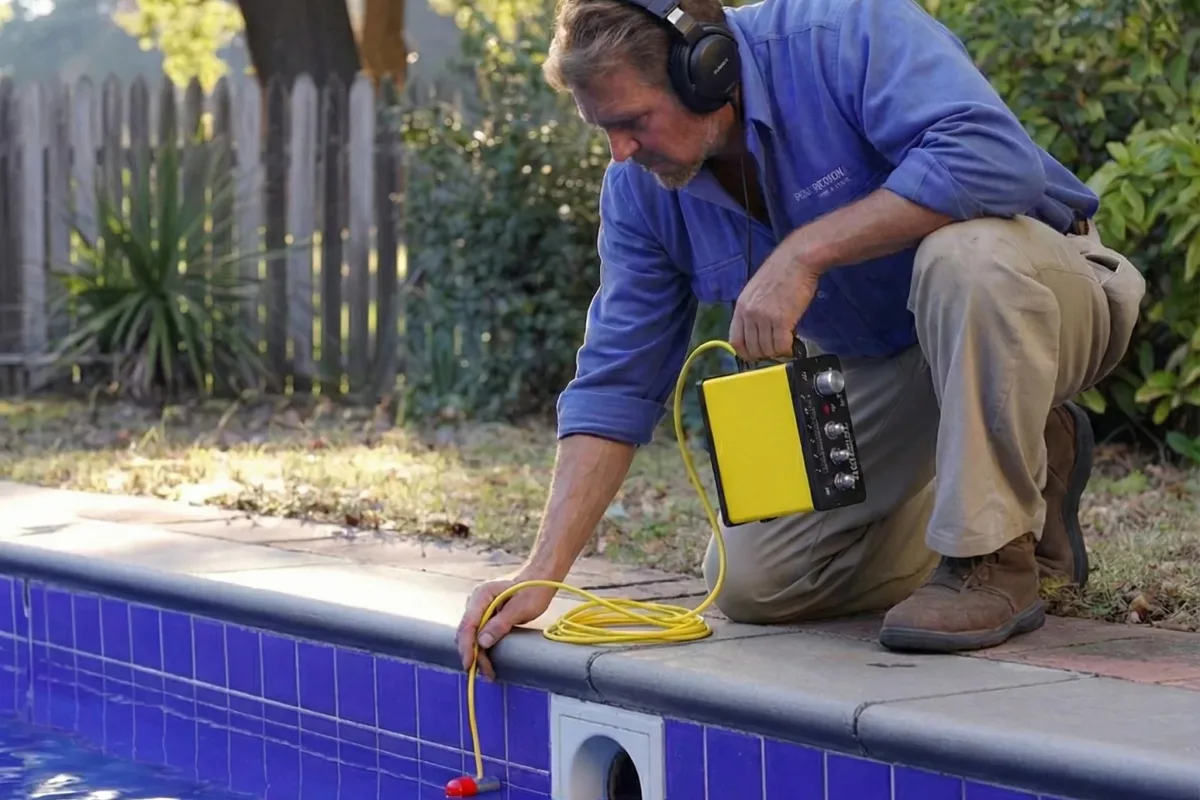 After · Know where the pool loses water
When the loss changed only with the pump running, the owner got a named side of the system to fix, not a full pool overhaul.
Pool problems we track down
Pool warning signs, spelled out one by one.
A clue that keeps coming back tells us the loss follows a pattern, not a one-time splash or a hot day. For each sign, we pick the pool check that fits it, set aside causes that only look the same, and shrink the area a repair crew must open.
The pool level falls faster than evaporation explains
Why it matters: Loss that beats normal evaporation means water is escaping the pool system, and it will keep costing water until it is found.
The pool loses more water than a simple bucket comparison suggests. We review weather and use patterns, then check the vessel and fittings before blaming buried plumbing.
What we test around the pool next: Compare water loss and visible clues. Then we set the loss rate next to the bucket test result to see if the pool itself is at fault.
Soggy soil along the pool’s buried pipe runs
Why it matters: Soil that stays wet near buried lines often sits above the escape point, long before the yard turns muddy.
Wet soil appears near the equipment pad or a return line. We inspect accessible fittings, pumps, filters, and valves, then isolate the plumbing run that best matches the wet area.
What we test around the pool next: Check fittings, surfaces, and equipment. Then we match the wettest soil to the line that runs nearest to it before we name the spot.
Air in the system or changes at the equipment pad
Why it matters: Air showing up where only water should be can mean the system is pulling in through a break on the suction side.
Air enters the system or water loss changes when the pump runs. That pattern helps separate suction-side, pressure-side, and shell concerns before focused pressure or dye testing.
What we test around the pool next: Pressure-test likely plumbing runs when needed. Then we watch which run loses pressure first, and that run becomes the marked repair area.
More ways we find leaks
Help for every other leak in the house.
This page focuses only on swimming pool leak detection. If the signs you see fit a different system better, look through the twelve other services we offer below.
Swimming Pool Leak Detection reviews
What pool owners say.
Every review below is written for swimming pool leak detection. Below, pool owners tell what sign they saw first, which tests we ran on their pool, and the one clear repair step they took away.
Locations we serve
Swimming Pool Leak Detection across Littleton-area communities.
Pool owners, landlords, property managers, and shops across the Littleton area can all book this same careful testing. Open the page for your area to read local notes, or just call us with the property address.
Track the water level over the same time period and compare it with a bucket test. Weather affects evaporation, so one reading alone is not enough.
Many checks can begin with water in the pool. The exact method depends on the suspected surface, fitting, or plumbing line.
Yes. Ongoing water loss can soften soil and affect nearby surfaces, so unexplained loss should be checked.
Sun, wind, and splash cause some loss, and hot dry weeks cause more. A bucket test on the pool step gives a fair comparison for your own pool.
That pattern often points to the pressure side of the plumbing or a fitting that opens under pressure. We test that side first.
Yes. Fittings, lights, skimmers, and visible shell areas are checked along with equipment and buried lines, so one system is not blamed for another.
Keep the water at its normal level and note how fast it drops. Do not drain the pool unless we ask, because many checks need the water in place.
Yes. An auto-fill can hide the loss while the meter keeps recording it. Meter behavior is one of the clues we review with you.
Littleton office
Local swimming pool leak detection.
Our office sits in Littleton, a short drive from the pools, homes, and rentals we test across the area. Please call before you come by, so our time goes to the water loss at your place, not the front desk.
2260 W Chenango Ave #400, Littleton, CO 80120DirectionsWant to know where your pool water goes?
Call Littleton Leak Solutions and tell us how fast the level has been dropping. We will walk you to the one test that fits your pool first.
Call (720) 715-9731