
Expert commercial leak detection
Expert Commercial Leak Detection in Littleton, CO
A hidden leak can interrupt tenants, staff, customers, and operations. Commercial leak detection services organize the search around access, building use, affected zones, and clear communication for the people managing the property. Commercial properties need leak testing that respects tenants, customers, equipment, access, and daily operations. We define the affected zone, coordinate practical access, and document the likely source so managers can plan the repair step.
About this service
A careful search built around commercial leak detection.
Commercial properties need leak testing that respects tenants, customers, equipment, access, and daily operations. We define the affected zone, coordinate practical access, and document the likely source so managers can plan the repair step.
In a big building, a stain on one ceiling can begin two floors up or one suite over, because water follows pipes and beams. We log when the sign shows, chart the branches that serve that wing, and open with the gentlest test that can single out one zone.
Managers who need one clear zone named before walls come down or tenants move out rely on this service. You get plain notes, a tight area to open first, and a straight word if two branches still look possible.
Why businesses choose this service
Building-friendly work. Manager-ready notes.
Inside working buildings, our Littleton crew picks each test to fit the zone, shields stock, gear, and finished rooms where we can, and reports in words a manager can pass on. You end with what the records support and the move that should follow.
Tests are matched to the wing, suite, or branch in question, not run the same way in every space.
Checks that need no cutting come first, so staff, tenants, and shoppers are disturbed as little as we can manage.
Findings come in plain words, with the zone named, the signs behind it, and the repair move it calls for.
Since 2018, our search work has centered on Littleton-area shops, offices, rentals, and homes.
The building-wide approach
From one wet suite to the right branch.
We test in a set order, and each zone result points to the next branch or rules it out. That keeps the hunt tight and gives your repair team a named place to start.
Define the affected area and access plan
The manager report and the branch map come first, so the first test lands in the right wing.
Test the system without widening disruption
Zone readings are weighed against each other, and the hunt moves only where the loss grows clearer.
Report the likely source and practical next actions
The named zone is written up for your repair team, with the signs behind it and the next move.
Three commercial before-and-afters
Three buildings, three hunts that ended in one zone.
Each commercial leak detection project begins with a broad warning sign and ends with a smaller, evidence-led area for repair. In the three pairs below, a building-wide worry became one branch, one suite, one clear repair order.
 Before · Project 01
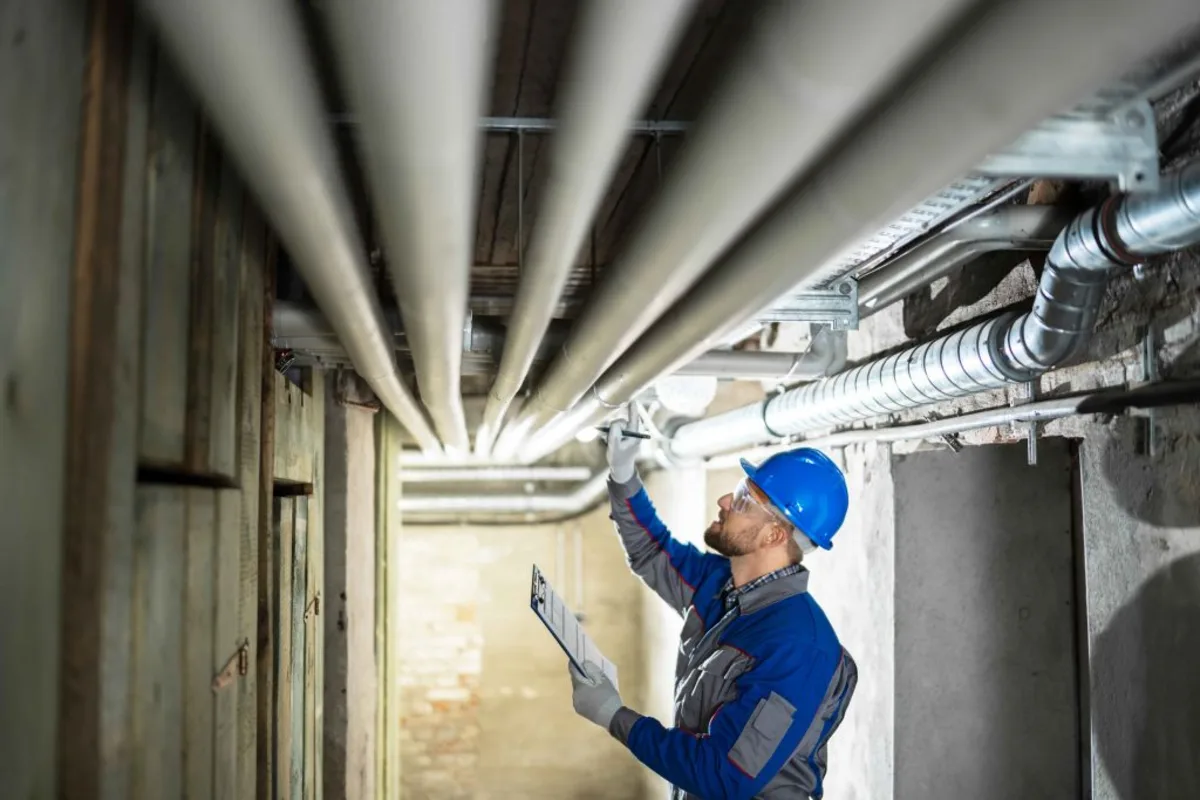
Water use rises across a property with several tenants. We review meter patterns and isolate branches, floors, or suites to separate normal demand from a hidden leak.
 After · A plan for the whole building
Meter patterns by branch showed one part of the building losing water, so the search never disturbed the other tenants.
 Before · Project 02
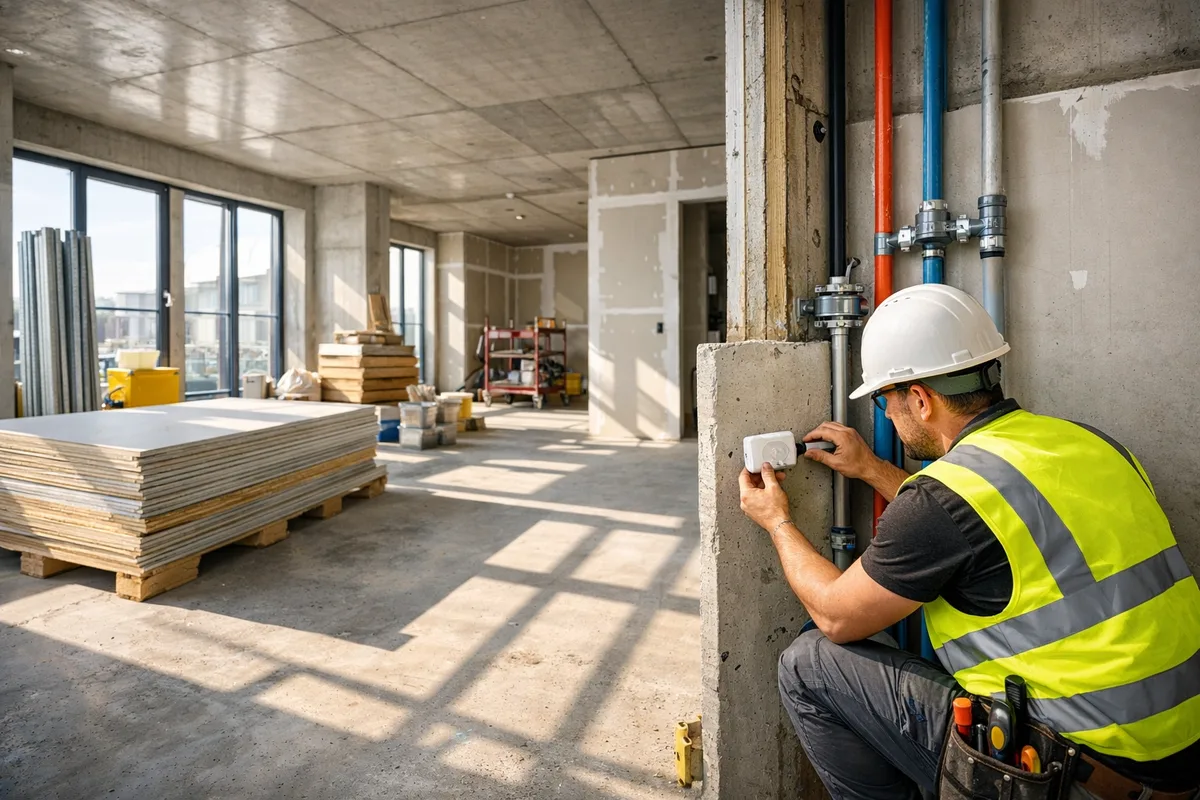
A ceiling stain returns in one office or retail area. We coordinate access above and beside the symptom, map moisture, and connect the path to nearby plumbing or equipment.
 After · A plan for the whole building
Moisture mapped above the stain tied it to one line, and the manager got the path in writing.
 Before · Project 03
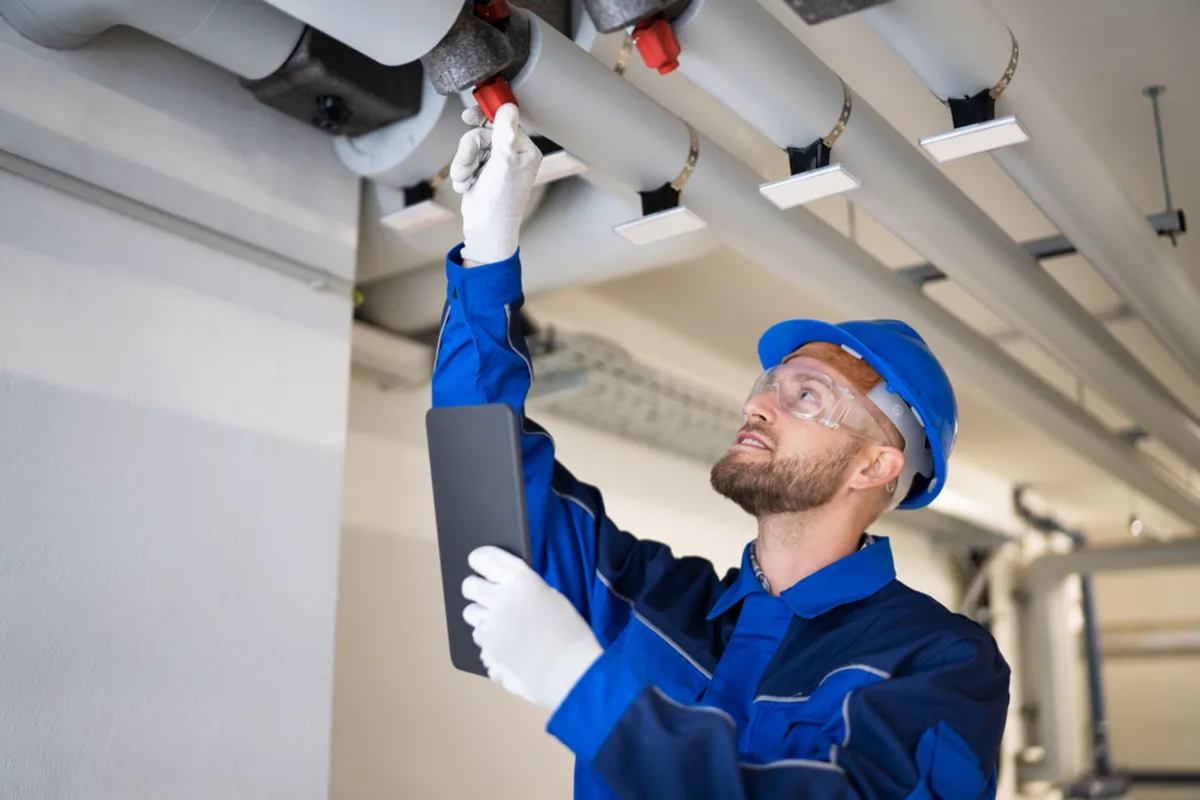
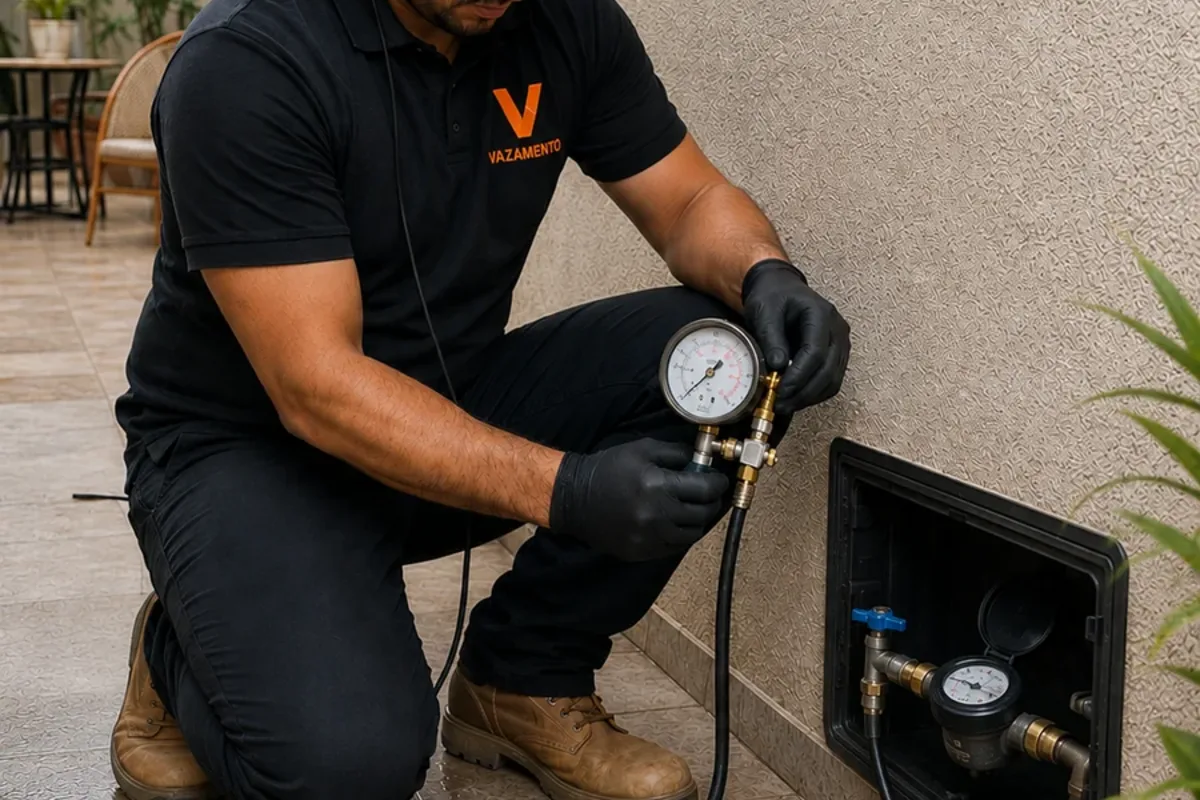
Pressure drops in one wing while the rest of the building is normal. Zone-by-zone testing helps narrow the affected branch without disrupting unrelated areas.
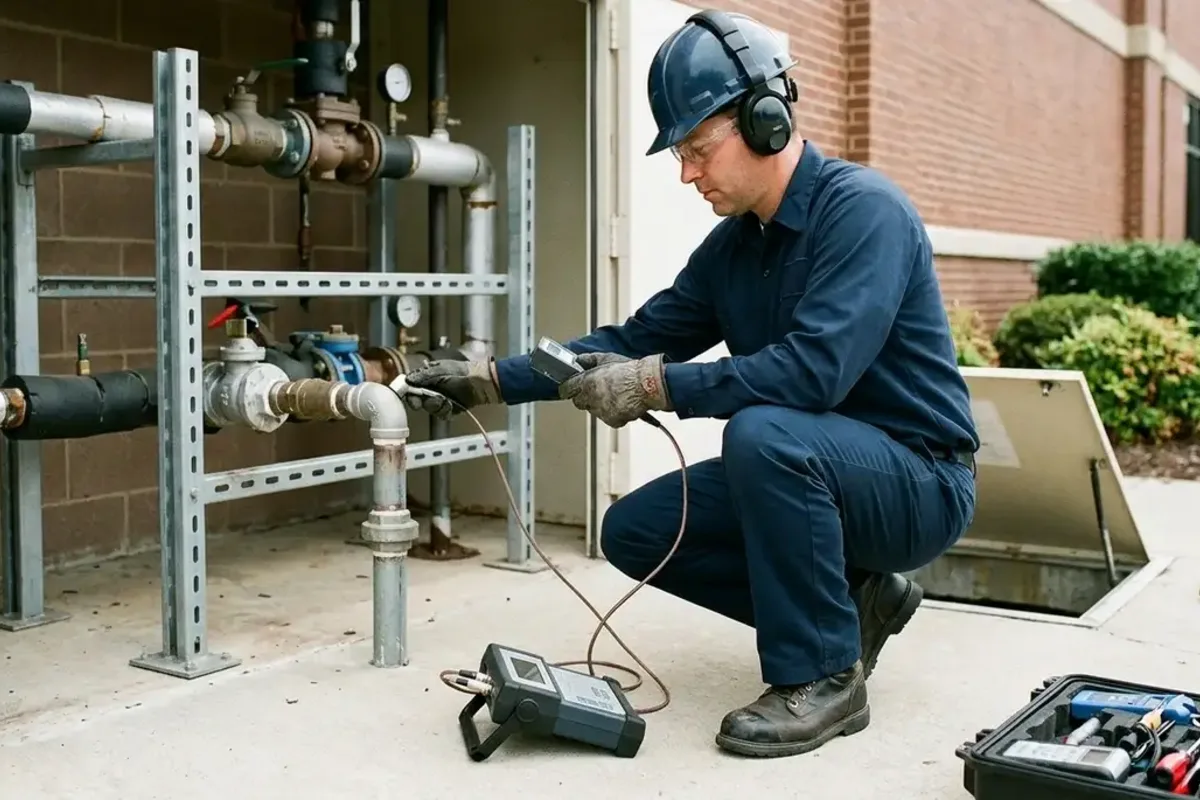 After · A plan for the whole building
Zone results side by side named the branch that lost pressure, with a plan the building team could schedule around.
Problems building managers report
Building warning signs, spelled out.
A sign that returns in the same suite or at the same hours tells us when that branch is under strain. We tie each sign to a zone or meter check, set aside normal tenant use and old stains, and narrow the branch that needs work.
Water bills rising with no clear cause in the building
Why it matters: Water use that rises with no change in tenants or hours usually means a hidden loss somewhere in the building.
Water use rises across a property with several tenants. We review meter patterns and isolate branches, floors, or suites to separate normal demand from a hidden leak.
What we test in the building next: Define the affected area and access plan. With the zone drawn, meter logs for those hours tell us if the rise lives inside it.
Repeat ceiling or wall moisture
Why it matters: A stain that returns in the same office after repairs often means the true source sits above or beside it.
A ceiling stain returns in one office or retail area. We coordinate access above and beside the symptom, map moisture, and connect the path to nearby plumbing or equipment.
What we test in the building next: Test the system without widening disruption. Readings above and beside the stain then show if the damp path stays in this suite.
One wing or tenant unit losing water pressure
Why it matters: Pressure falling in one wing while the rest holds steady points to a branch problem, not the main supply.
Pressure drops in one wing while the rest of the building is normal. Zone-by-zone testing helps narrow the affected branch without disrupting unrelated areas.
What we test in the building next: Report the likely source and practical next actions. Zone results side by side show which branch lost pressure while the rest held steady.
Beyond this building search
Twelve more services for other systems.
This page focuses only on commercial leak detection. When the signs point to a yard line, a slab pipe, or a single room instead, browse the twelve services below for that system.
Commercial Leak Detection reviews
What business customers say.
Every review below is written for commercial leak detection. Each manager or owner below shares the building sign they saw first, how zone testing was planned around their tenants, and the named branch they handed to their repair team.
Locations we serve
Commercial Leak Detection across Littleton-area communities.
Commercial testing covers offices, shops, rental homes, and houses in every part of the area around Littleton. Find your area page for local detail, or ring us with the building address to plan access.
The search plan can focus on affected areas and practical access windows. Call with the building type and current signs.
Yes. Clear notes about symptoms, access, and the likely source help managers coordinate the repair step.
Yes. Isolating zones or branches helps separate normal use from a hidden problem.
Yes. The search is planned by zone, so unaffected suites and shared areas keep working while the affected branch is isolated and tested.
The affected areas, meter and shutoff locations, access limits, and any past repair notes. That information makes the first test much more focused.
Access windows can be planned around tenants, customers, and staff. Call with the building schedule and the symptoms so a practical window can be set.
You get the likely source area, the evidence behind it, photos or notes where useful, and the next step, in language a repair contractor can act on.
With the meter pattern. We compare use by time and zone to separate normal demand from a hidden loss, then test the branch that does not fit.
Littleton office
Local commercial leak detection.
Our Chenango Ave office sits close to the shops, offices, and rental sites our crews test across the area. A quick call first keeps the visit fixed on the wet zone at your building, not on a stop at our office.
2260 W Chenango Ave #400, Littleton, CO 80120DirectionsNeed the leak zone named for your building?
Reach Littleton Leak Solutions and share the wing, suite, or meter pattern that worries you most. We will help you set a first test that keeps the building running.
Call (720) 715-9731