
Professional kitchen & utility leak detection
Professional Kitchen & Utility Leak Detection in Littleton, CO
One damp cabinet can hide several possible sources. Kitchen and utility leak detection checks sinks, appliance lines, drains, laundry connections, and nearby supply piping in the order that makes sense. Kitchens and utility rooms place supply hoses, drains, appliances, cabinets, and finished flooring close together. We recreate the use pattern safely and check each likely source in order so one damp cabinet does not trigger a broad search.
About this service
A careful search built around kitchen & utility leak detection.
Kitchens and utility rooms place supply hoses, drains, appliances, cabinets, and finished flooring close together. We recreate the use pattern safely and check each likely source in order so one damp cabinet does not trigger a broad search.
Under a kitchen sink or behind a washer, water can creep along a hose or cabinet edge and show up well away from the drip itself. To sort that out, we note which sink, dishwasher, fridge, or washer ran last, sketch the lines packed into that tight space, and start with the softest test that can rule a part in or out.
This kitchen and utility check suits owners who want one clear spot named before cabinets or floors get pulled apart. Expect straight talk, a small repair zone, and an honest word if the proof still points to two hoses or lines.
Why kitchens need a focused search
Cabinets stay whole. Answers stay simple.
In kitchens and laundry rooms, our Littleton crew has a reason for every check, guards counters, cabinets, and floors while we work, and explains each find without shop talk. You finish knowing what the proof shows and what to do about it next.
Hoses, drains, and appliance lines sit close together here, so we test them one by one in the order they were used.
We start with sight, touch, and meter checks, so cupboards and floors are not opened just to take a look.
Each reading is shared in plain words, tied to the sink or machine it came from, and linked to a clear next move.
Our crew has traced leaks in Littleton kitchens and laundry rooms since 2018, in homes big and small.
How a kitchen search runs
From a wet cabinet to the line behind it.
Kitchen checks follow a set path, so the result of a sink test shapes the dishwasher test that comes after it. That keeps the work tight and hands the repair crew a first spot they can trust.
Tie the symptom to appliance or fixture use
We start from the damp spot and the lines tucked around it, so the first check has a clear target.
Inspect connections, drains, and nearby lines
Each reading is set against the dry cabinets nearby, and we follow only where the moisture grows.
Verify the likely path before repair
We flag the exact hose or joint at fault and tell you what the repair needs to reach.
Recent kitchen work, start to finish
Three kitchen leaks that went from guesswork to a plan.
Each kitchen & utility leak detection project begins with a broad warning sign and ends with a smaller, evidence-led area for repair. The stories below show a broad damp worry turning, step by step, into one clear job for the repair crew.
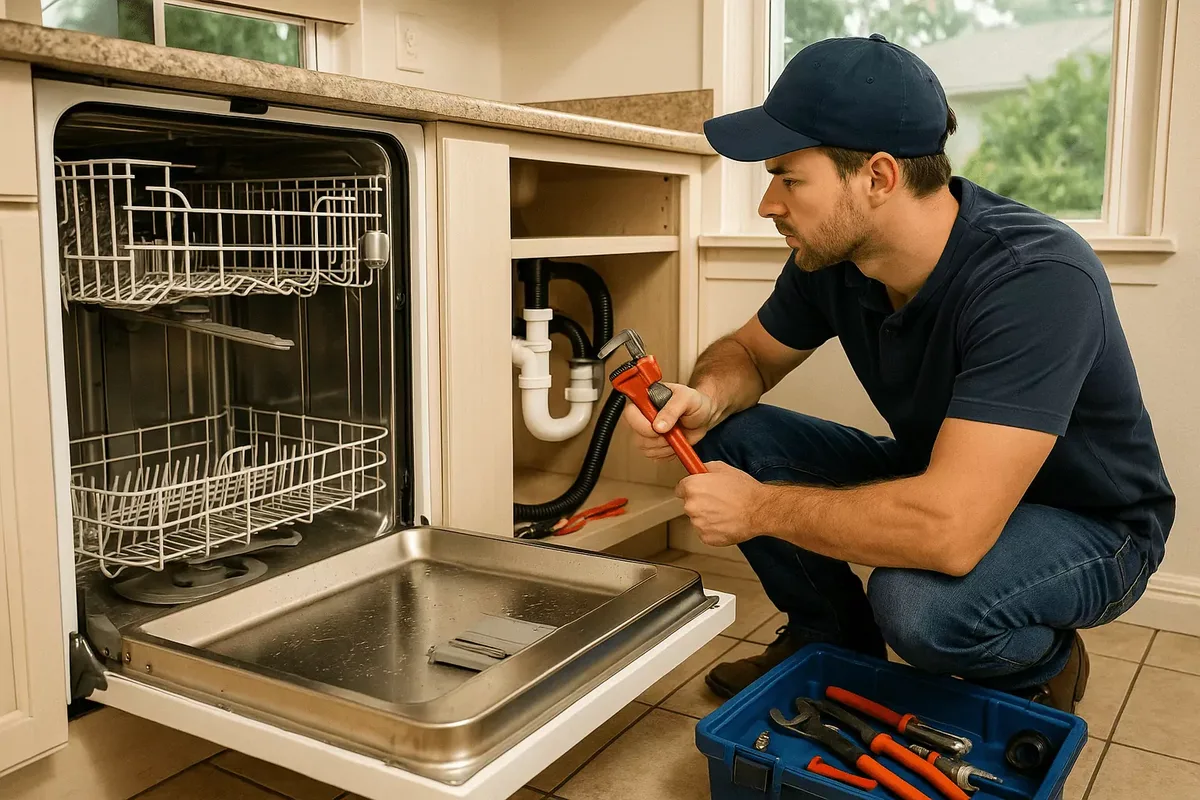 Before · Project 01
A cabinet base swells although the trap looks dry. We inspect the faucet lines, shutoffs, drain joints, wall entry, and the path water could follow along the cabinet.
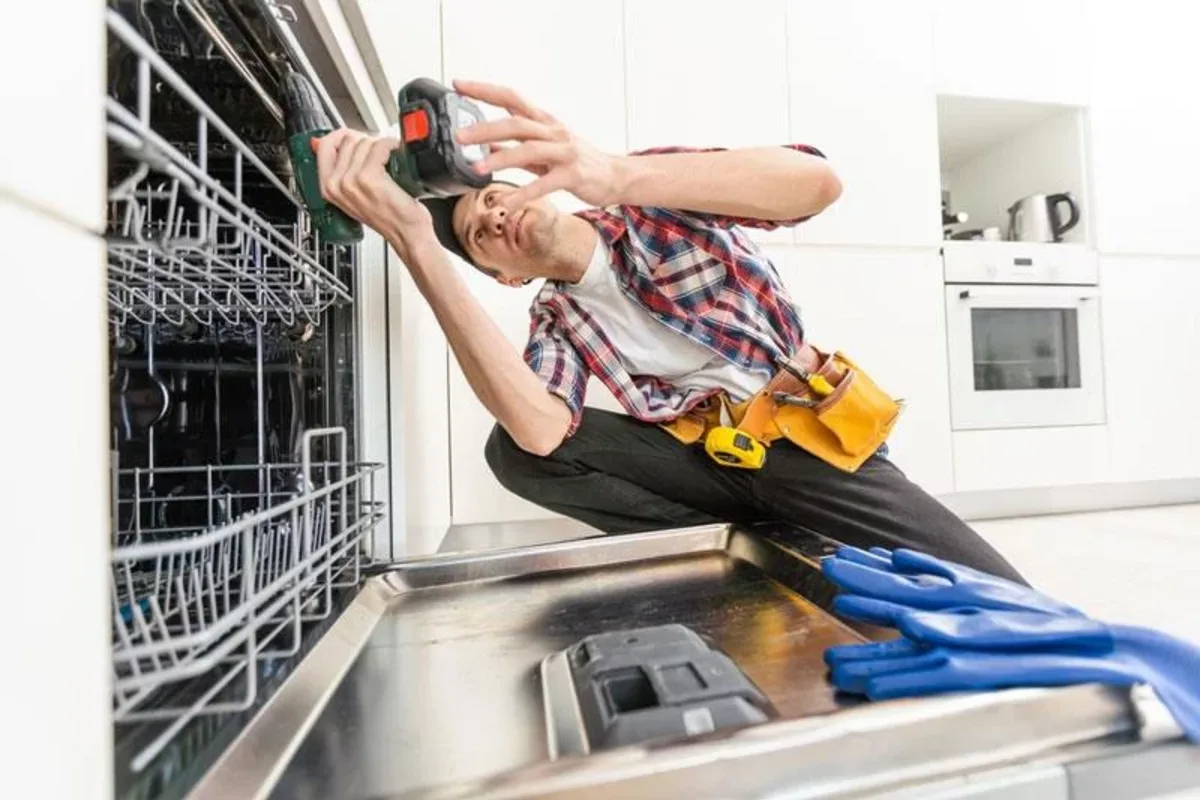 After · A clear repair direction
Checking each joint along the cabinet run found the one connection that wept, while the dry trap was left alone.
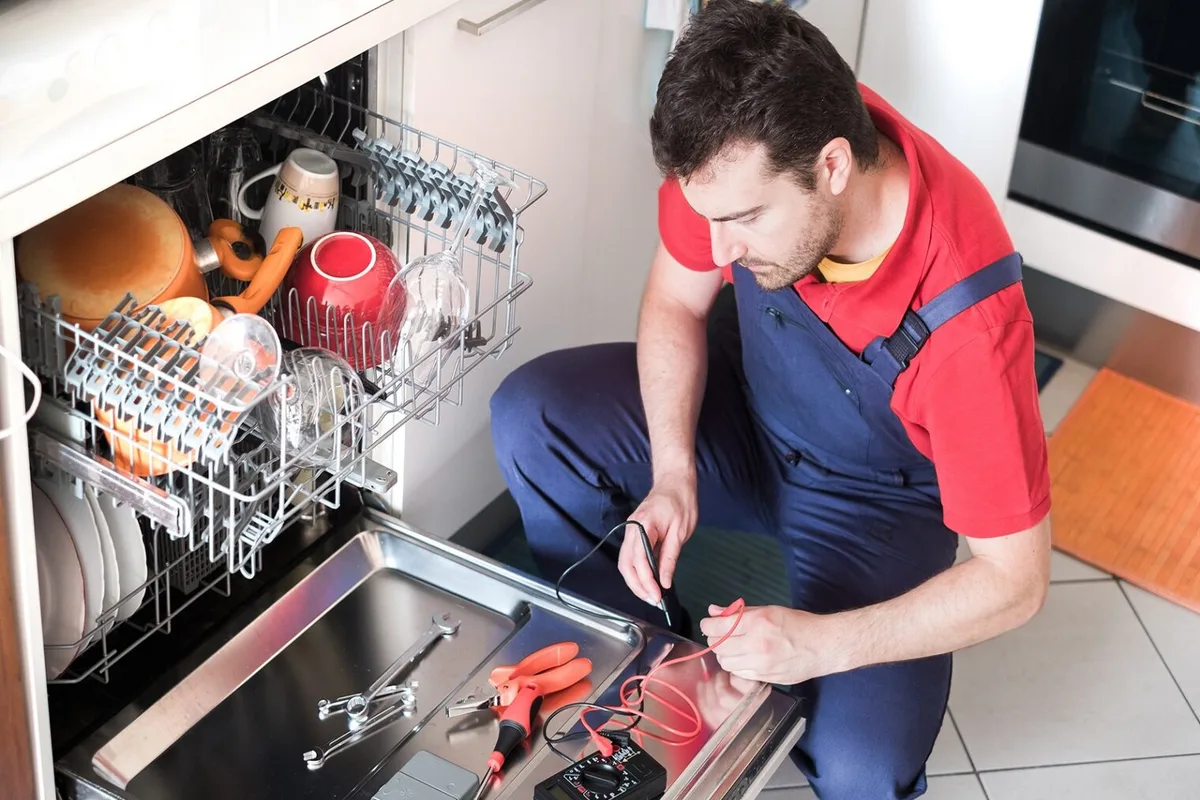 Before · Project 02
Moisture appears only during a dishwasher or washer cycle. Fill, wash, drain, and supply stages are checked separately because each activates a different hose, valve, or connection.
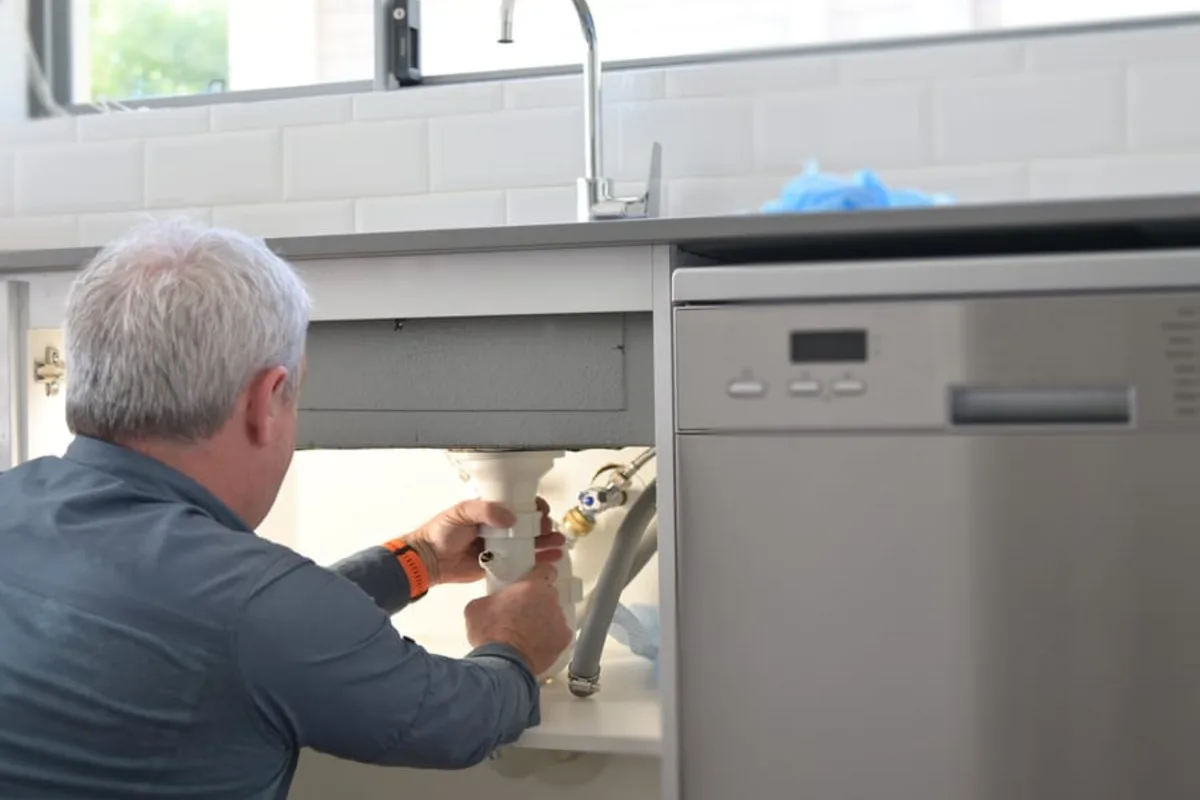 After · A clear repair direction
Running each cycle stage on its own showed which hose leaked, so the fix named one part instead of the whole stack.
 Before · Project 03
A refrigerator or laundry line leaves a slow damp patch. We trace the small supply tubing and nearby wall or floor moisture before the surface damage spreads.
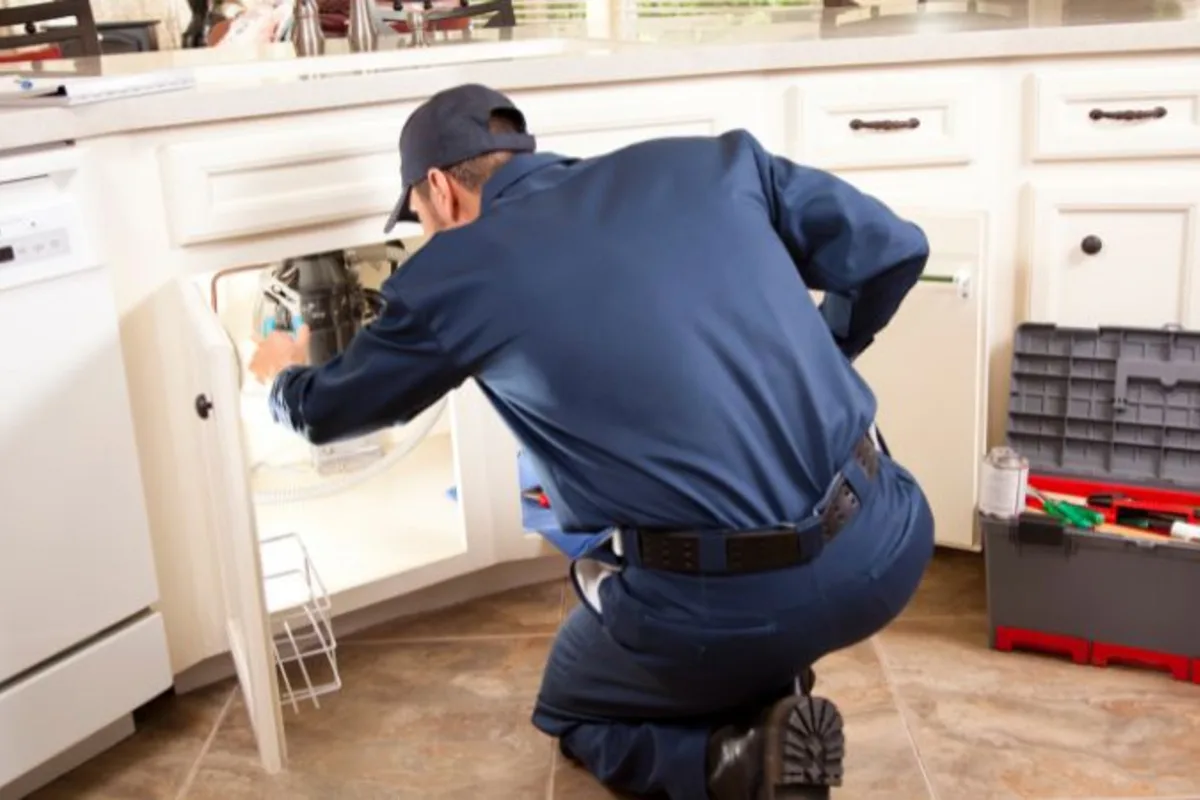 After · A clear repair direction
Tracing the thin supply line end to end marked the short stretch that dripped, and the rest of the run tested dry.
Kitchen and laundry troubles
What swollen wood and damp floors are telling you.
A clue that returns after the same wash or dish cycle is a strong hint about which line is at fault. We match that clue to the right hose or drain, clear away look-alike causes like spills, and close in on the part to fix.
Swollen cabinet panels or damp toe-kicks
Why it matters: Cabinet wood that swells has been drinking water for a while, usually from a slow leak hidden behind the panels.
A cabinet base swells although the trap looks dry. We inspect the faucet lines, shutoffs, drain joints, wall entry, and the path water could follow along the cabinet.
What we check under the cabinets next: Tie the symptom to appliance or fixture use. After that cycle test, we feel the cabinet base and floor nearby to see if the wet path lines up with the machine that ran.
Wet spots that show up after the dishwasher or laundry runs
Why it matters: Dampness that appears only when a machine runs ties the leak to that cycle, which narrows the search a lot.
Moisture appears only during a dishwasher or washer cycle. Fill, wash, drain, and supply stages are checked separately because each activates a different hose, valve, or connection.
What we check under the cabinets next: Inspect connections, drains, and nearby lines. We check each joint against its neighbors, so one weeping hose is not blamed on the whole sink stack.
A steady drip where appliances connect
Why it matters: A small drip on a thin supply line can soak cabinets and floors for weeks before it ever forms a puddle.
A refrigerator or laundry line leaves a slow damp patch. We trace the small supply tubing and nearby wall or floor moisture before the surface damage spreads.
What we check under the cabinets next: Verify the likely path before repair. Then we trace that small line end to end and mark only the stretch where the drip stays active.
Beyond the kitchen sink
Leak checks for the rest of the home.
This page focuses only on kitchen & utility leak detection. Should your damp spot trace back to a different system, the twelve services below cover the rest of the property.
Kitchen & Utility Leak Detection reviews
What kitchen leak customers say.
Every review below is written for kitchen & utility leak detection. Every story here starts with the kitchen or laundry clue the owner noticed, walks through the cycle tests we ran, and ends with the repair step they took away.
Locations we serve
Kitchen & Utility Leak Detection across Littleton-area communities.
You can book this kitchen and utility work for houses, rentals, and small businesses in each of our 21 service neighborhoods. Pick your area below for local notes, or share the full address when you ring us.
Water can run along a hose, fitting, cabinet edge, or wall before it becomes visible. The wet spot may not be the source.
Yes. Fill, wash, and drain stages use different parts and can reveal different leaks.
Stop using an appliance if it makes the leak worse or sends water near electrical parts.
With the dishwasher cycle itself. Fill, wash, and drain stages use different hoses and seals, so we watch which stage brings the moisture.
Yes. The small supply tube can drip slowly for weeks. Because the line is thin, the leak is quiet and often found only after flooring starts to swell.
Yes. Drain hoses and standpipes work only during drain, so a leak tied to that stage narrows the search a great deal.
When it is safe and practical, connections behind or below the appliance are inspected. Heavy or hard-wired units may need an appliance technician for full access.
We test them separately and compare moisture after each run. Shared walls carry water from either side, so order matters.
Littleton office
Local kitchen & utility leak detection.
Our Littleton shop base means a short trip to most kitchens and laundry rooms on our rounds, whether in a family home or a rental. Ring us before you stop by, so we can spend the visit on the leak at your address.
2260 W Chenango Ave #400, Littleton, CO 80120DirectionsReady to find that drip behind the cabinet?
Call Littleton Leak Solutions and share the first sign of damp you spotted. Together we will pick a safe, tight next step for your kitchen or laundry room.
Call (720) 715-9731