
Trusted local leak specialists
Expert Leak Detection
in Littleton, CO
Can you hear water running when every tap in the house is off? Has your water bill climbed for no clear reason, or does one spot on the floor feel warm? A hidden leak often starts with one small clue like these. We pinpoint the leak without guesswork digging, show you the proof, and explain the next step in plain words. Littleton Leak Solutions tracks down hidden water, slab, gas, sewer, and pool leaks in Littleton, CO homes and businesses.
Built for leaks that hide
Why Call a Leak Specialist Instead of Guessing?
A leak detection company finds hidden leaks and proves where they are before anyone digs or opens a wall. A hidden leak can show up far from the pipe that caused it. Owner Jake Morrison has spent nine years learning how water moves through slabs, walls, ceilings, yards, and underground lines.
Since 2018, our Littleton team has been finding hidden leaks for local owners. We do not start by guessing where to cut. We start with the clue, choose the right test, and keep narrowing the search until the likely source makes sense. We use acoustic listening, thermal imaging, moisture readings, pressure tests, and camera checks, so walls and floors are not opened on a guess.
Leak detection services
What Leak Detection Services Do We Offer in Littleton, CO?
A warm slab needs a different test than a wet yard or falling pool level. We check water mains, walls, floors, sewer lines, pools, irrigation, and commercial systems across Littleton, CO.
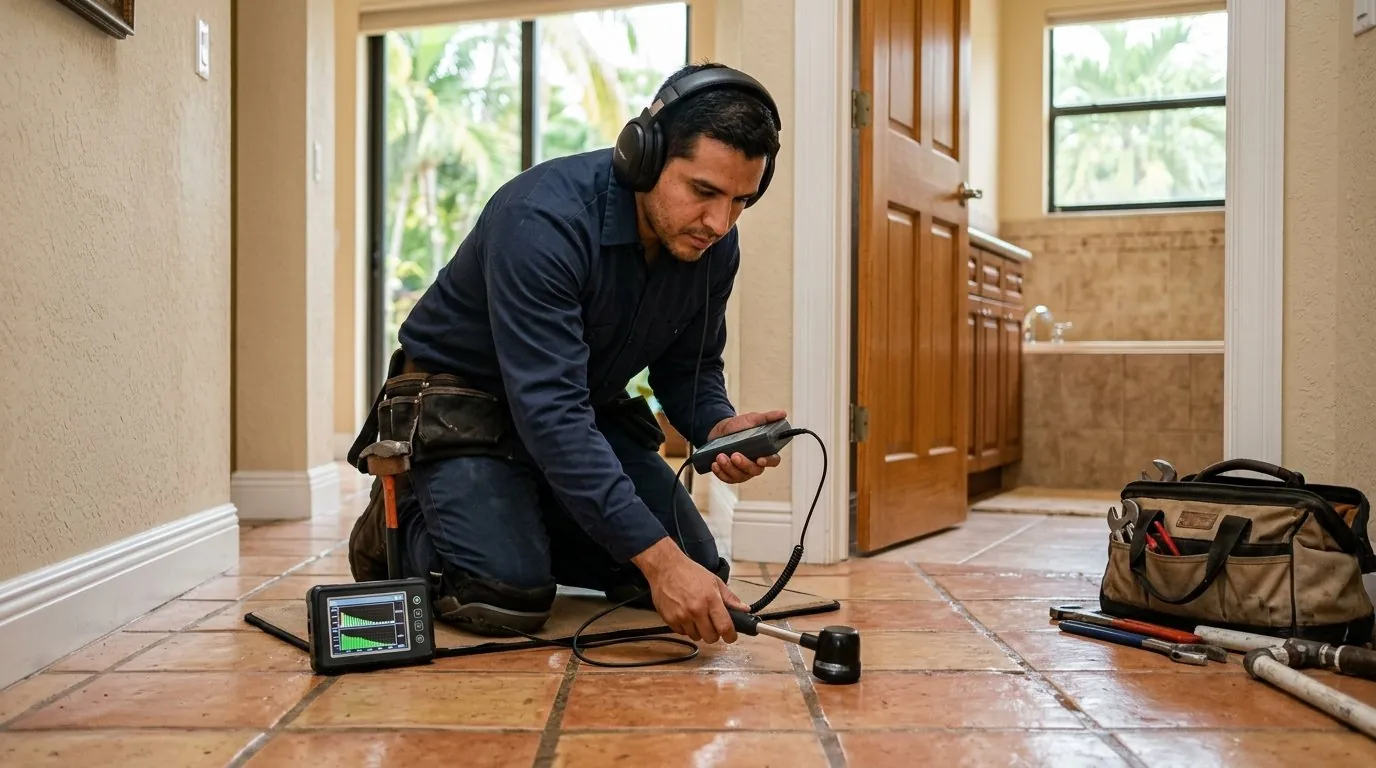
Water Leak Detection
A hidden leak can travel through a floor, wall, ceiling, fixture, or buried supply line before it becomes visible. We start with the symptom, follow the pipe path, and use the test that fits the property.
Our professional water leak detection in Littleton, CO narrows the likely source and gives you a clear next step without turning every clue into a separate service.
Talk through the warning signs →View water leak page →
Slab Leak Detection
Warm floors, damp edges, or running-water sounds can point below the concrete.
View service page →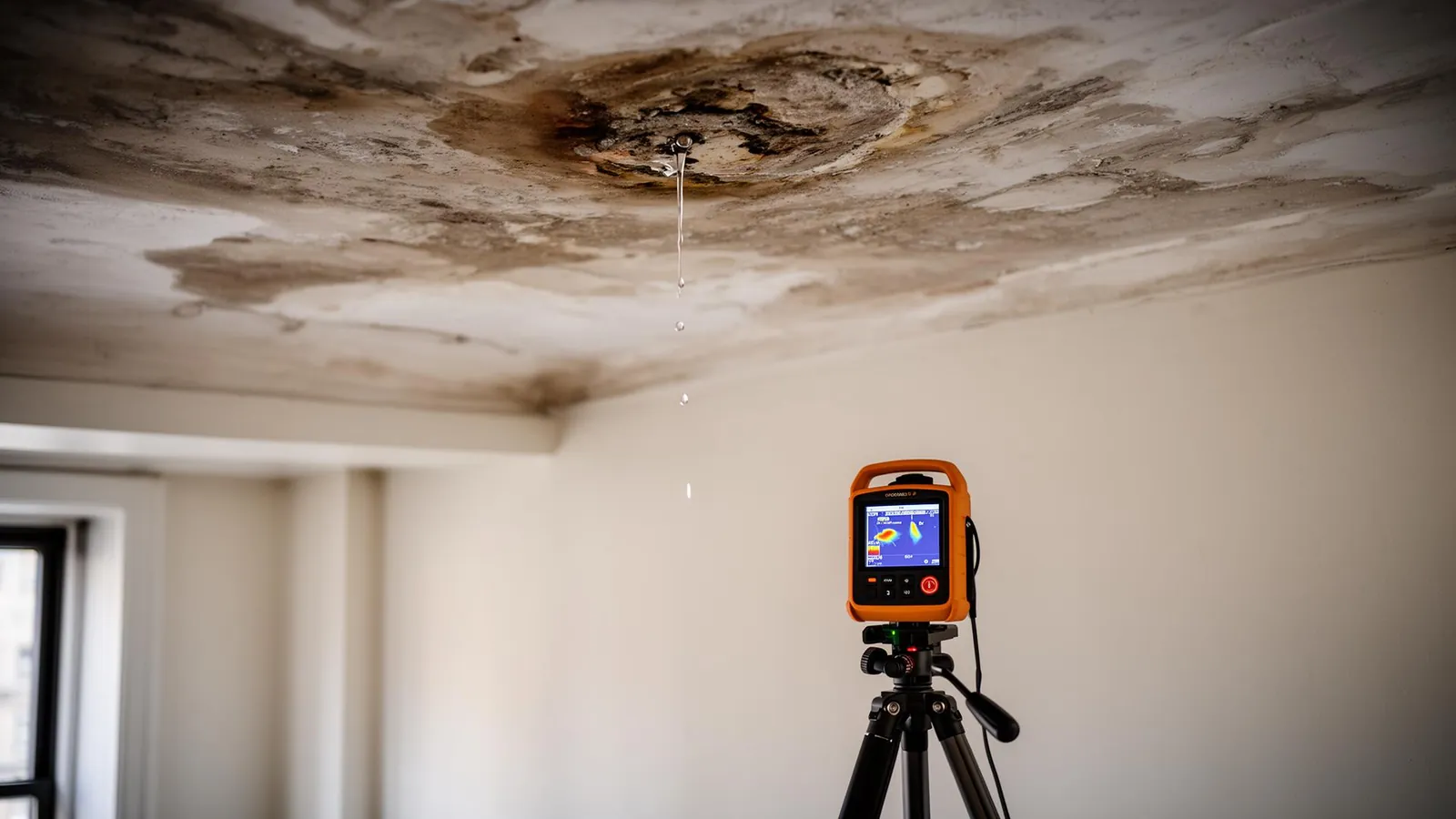
Emergency Leak Location
When water is moving now, we help narrow where it is coming from.
View service page →
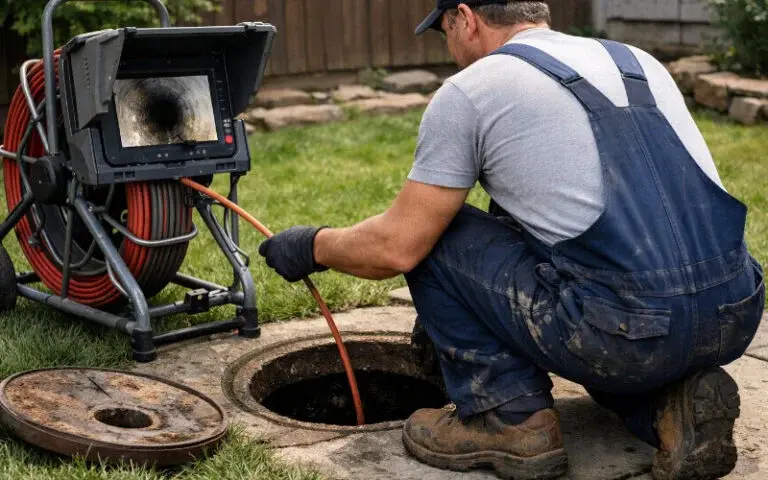
Sewer Camera Inspection
A camera looks inside the line for cracks, roots, or blocked flow.
View service page →
Bathroom Leak Detection
Trace moisture around showers, tubs, toilets, and hidden supply lines.
View service page →
Kitchen & Utility Leaks
Follow dampness near sinks, appliances, laundry lines, and utility rooms.
View service page →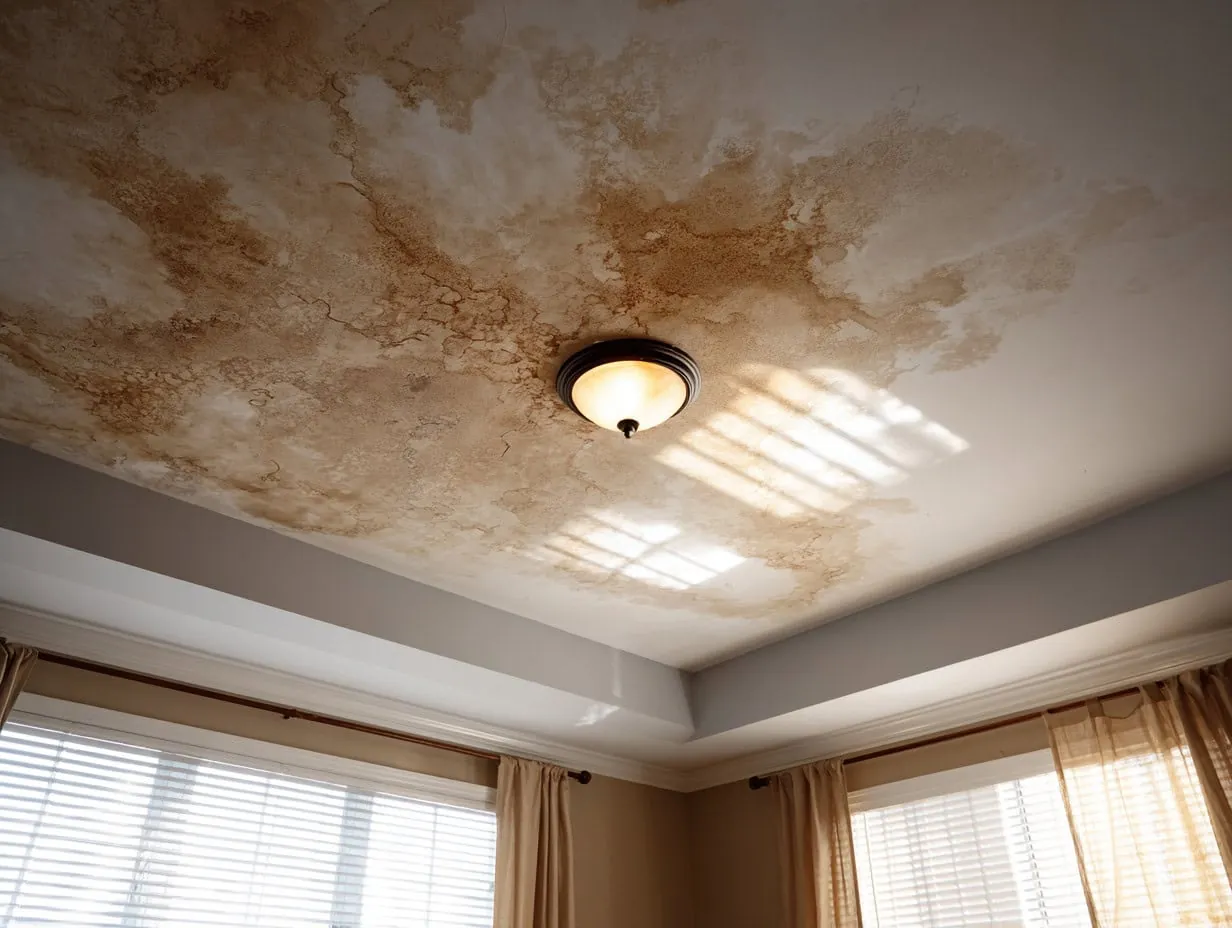
Wall & Ceiling Leak Tracing
Turn a spreading stain or soft spot into a smaller search area.
View service page →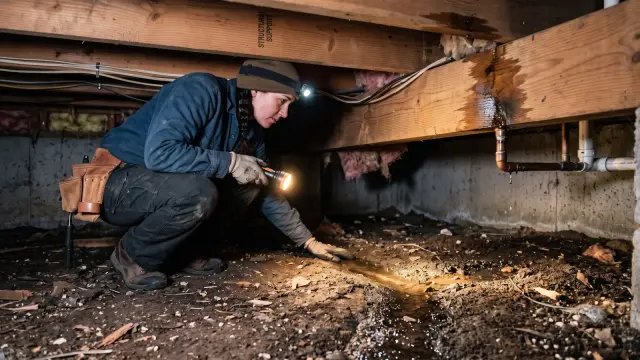
Basement & Crawlspace Leaks
Find the reason a low, dark space keeps feeling damp.
View service page →
Pool Leak Detection
Check plumbing and surfaces when water loss is more than normal evaporation.
View service page →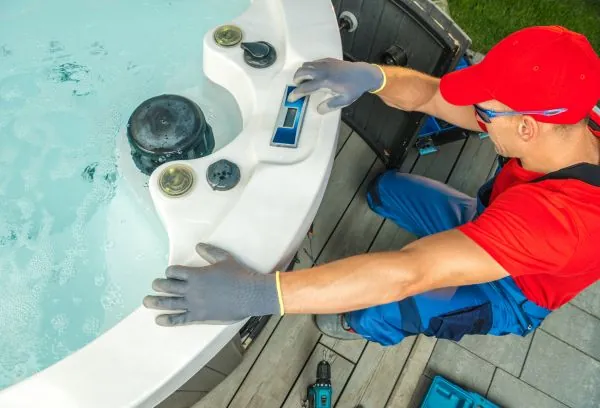

Sprinkler & Irrigation Leaks
Trace soggy strips and underground lawn lines that keep wasting water.
View service page →
Commercial Leak Detection
Targeted checks for offices, retail spaces, HOAs, and managed properties.
View service page →Start with the clue
Not Sure It Is a Leak? Start With What You Notice
Most hidden leaks show one small sign first. Use this quick guide to check what you can at home, and to spot the moment a pro test will tell you more than guessing can.
| What You Notice | What You Can Check | When to Call Us |
|---|---|---|
| Meter moving with taps off | Shut every tap, toilet, and appliance, then watch the meter dial for ten minutes. | Call us if the dial still creeps. Water is going somewhere you cannot see. |
| Water sound at night | When the house is quiet, listen near the bathrooms and water heater, and note which room sounds loudest. | Call us if the sound stays steady with all taps shut. That points to a pressurized line. |
| Warm floor spot | Walk the room barefoot and mark the warm patch with tape, so you can show us its size. | Call us if the same spot stays warm day after day. Heat under a slab often means a hot line leak. |
| Bill jump | Compare this bill with the same month last year, not just with last month. | Call us if the jump is big and your daily use has not changed at all. |
| Ceiling stain | Take a photo and trace the edge of the stain with a pencil, so you can tell if it grows. | Call us if the ring spreads, feels soft, or comes back each time it dries. |
| Soggy yard patch | See if the wet patch lines up with one sprinkler zone, then skip a watering cycle and look again. | Call us if the patch stays wet on dry days with the sprinklers off. |
Why choose us
Why Do Littleton Homeowners Trust Our Leak Detection Team?
A hidden leak is stressful enough. Our job is to protect your property while we narrow the search and explain what the evidence is telling us.
Do We Have to Open Your Walls or Floors?
We use non-invasive tools first, so finished floors and walls are not opened without a clear reason.
How Fast Should You Act on a Leak?
Active water, a suspected gas leak, and a slow stain do not need the same response. We help you act safely.
Will You Understand What We Found?
You get a clear explanation of the likely source, the evidence behind it, and the next practical step.
Which Littleton Properties Do We Work On?
We work across Littleton homes, yards, pools, commercial buildings, and nearby communities.
How we work
How Do We Find a Leak Without Digging?
We do not run every test at once. Each result guides the next move, so the search keeps getting smaller.
What Do We Check First?
We listen to what changed, inspect the area, and connect the stain, sound, pressure drop, or wet ground to the pipe path.
How Do We Choose the Right Test?
Acoustic listening, thermal imaging, moisture readings, pressure testing, or a camera check is selected for that system.
How Do We Narrow Down the Leak?
We compare readings from nearby points until the evidence points to the smallest practical search zone.
What Do You Get at the End of the Visit?
We show the likely leak area, explain what we found in simple words, and tell you what kind of repair help to call next.
Our projects
What Kinds of Leaks Have We Found Around Littleton?
These project examples show how we turn a hidden symptom into a smaller, clearer repair area using the test that fits the leak.

Slab leak located below finished tile
The first clue was a warm path across the kitchen tile that never cooled down. We listened across the floor with acoustic gear, and the sound peaked over one small square of tile instead of the whole room. That one square was marked as the spot, so the repair could open a tight area instead of tearing up the finished floor.

Bathroom wall moisture traced
A brown ring on the ceiling kept coming back after the room above had dried. Our thermal camera showed a cool, damp trail running from the upstairs tub drain, not from the supply lines the owner first blamed. Moisture readings backed up that trail, and once the drain seal was fixed, the stain stopped growing for good.
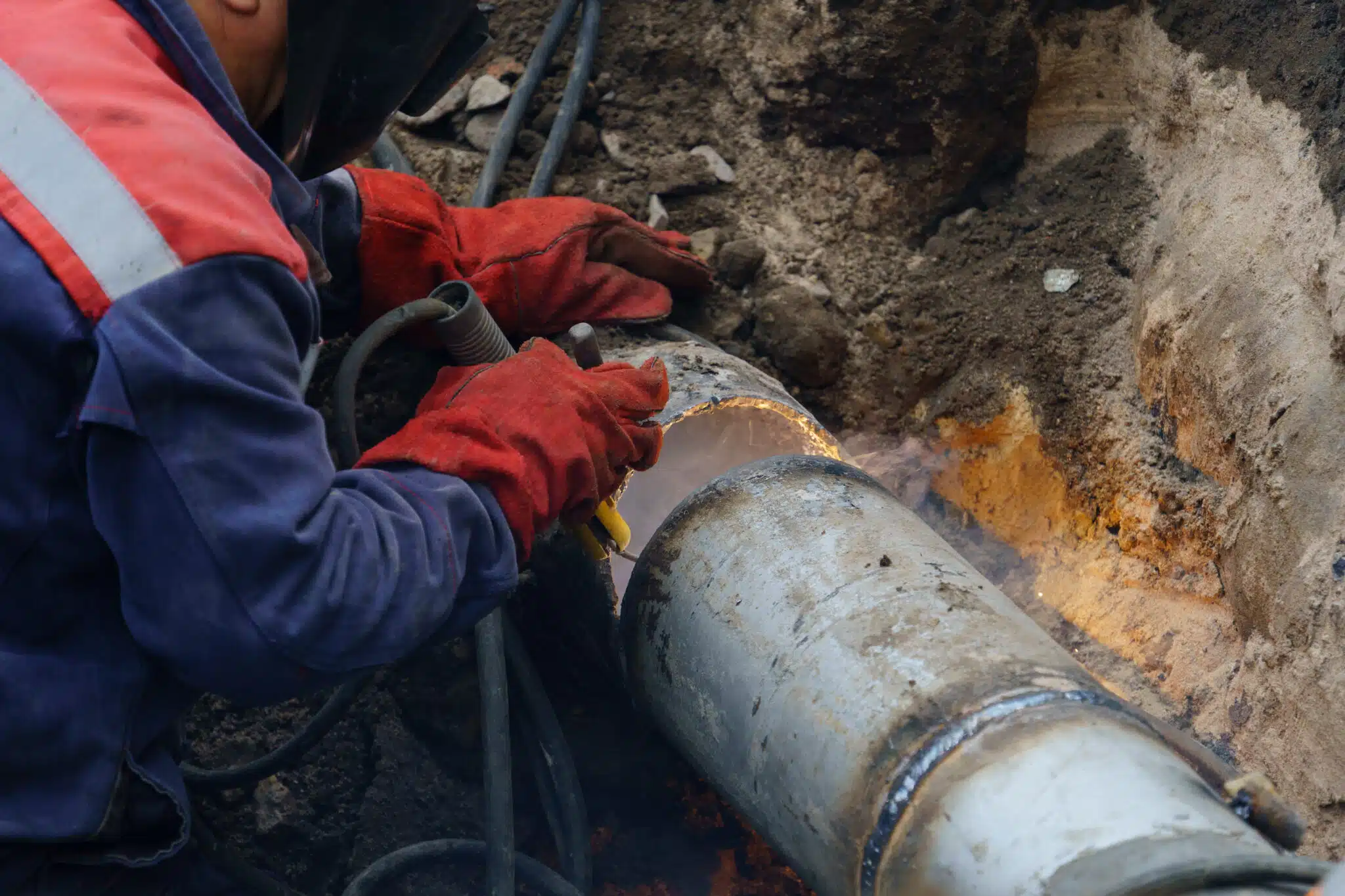
Underground water line narrowed
The meter at this home turned all night, yet no room inside showed a single drop of water. We ruled out the house lines first, then pressure-tested the buried main from the street and traced the loss to one short stretch near the driveway. One small dig in the right place beat trenching the whole yard.
Testimonials
What Do Littleton Homeowners Say About Us?
Clear updates, careful testing, and a useful next step matter just as much as finding the source.
“We had a warm spot on the floor and could hear water late at night. The team checked the meter, listened across the slab, and showed us the exact area to give the repair plumber. Nothing felt rushed, and every step was explained in simple words.”
“Our water bill jumped even though our daily routine had not changed. They worked from the outside line toward the house, narrowed the leak near the main, and gave us a clear location instead of a guess. The visit was calm, careful, and easy to understand.”
“A ceiling stain kept returning after we dried the area. The technician used a thermal camera, checked the room above, and found the likely path behind the finished wall. We appreciated that the search stayed focused and did not create extra damage.”
Why Does One Spot on the Floor Feel Warm?
The clue: A warm patch or damp edge may point to a pipe below the slab.
How we help: We combine acoustic listening, temperature checks, and line testing to narrow the area beneath the floor.
Why Did Your Water Bill Jump All of a Sudden?
The clue: More water use without a clear reason can be a hidden warning.
How we help: We check the meter, isolate likely lines, and use pressure testing to separate indoor use from a hidden leak.
What Does a Stain on the Wall or Ceiling Mean?
The clue: Brown marks, bubbles, and soft drywall can track water from another area.
How we help: Thermal imaging and moisture readings help us follow the damp path toward its likely starting point.
Why Is Your Water Pressure Suddenly Low?
The clue: A leaking supply line may reduce flow at taps and showers.
How we help: We compare pressure and fixture flow, then test the likely branch or main line to focus the search.
Why Do You Hear Water When the Taps Are Off?
The clue: Hissing or running water can point to a pressurized line leak.
How we help: We listen along the pipe path and compare sound strength to locate the smallest likely zone.
Why Is One Patch of Your Yard Always Wet?
The clue: A soggy strip in dry weather may come from a water main or irrigation line.
How we help: We trace the buried route, isolate the system, and test the line before the repair area is marked.
| Sign | What It May Mean | Test We Use |
|---|---|---|
| Faint hiss behind a wall | A pressurized supply line may be leaking inside the wall, out of sight. | Acoustic listening along the pipe path |
| Musty smell in one room only | Moisture may be sitting behind paint or under the floor near a slow leak. | Moisture readings and thermal imaging |
| Tiles lifting or grout cracking | Water under the floor can swell the base below and push tiles loose over time. | Temperature checks plus a pressure test of the line below |
| Water heater running more than usual | A hot line leak can keep the heater cycling as warm water escapes under the slab. | Line isolation, then acoustic tracing |
| Pool level dropping day by day | Loss past normal evaporation can come from a crack, a fitting, or a buried pool line. | Pressure tests on the pool lines, with checks at the fittings and shell |
| Drains gurgling through the house | The sewer line may be cracked, sagging, or partly blocked by roots. | Sewer camera inspection inside the line |
Frequently asked questions
Leak questions, answered.
Often, yes. Acoustic tools, thermal imaging, moisture meters, pressure tests, and cameras can help narrow the source before any repair work starts. The right method depends on the line and the surface.
Yes. Our water leak detection service can assess clues that point to a buried supply line, including wet ground, lower pressure, a moving meter, or unexplained water use.
Warm floor spots, damp flooring, the sound of water, low pressure, a moving meter, and a bill that rises without a clear reason can all be warning signs.
Leave the building, avoid switches or flames, and contact the gas utility or emergency services from a safe place. A suspected gas leak is a safety issue first.
Yes. The service plan includes homes, rental properties, offices, retail spaces, HOAs, and other managed buildings in the Littleton area.
A moving meter can point to water use somewhere on the property. Check toilets, irrigation, and known fixtures first. If the meter still moves, a hidden supply-line leak may need focused testing.
Yes. Drain, shower, appliance, irrigation, and weather-related leaks may appear only when that system runs. Note when the sign changes so we can match it to the right test.
Tell us where the sign appears, when it started, what makes it better or worse, and whether water is actively spreading. Those details help us choose the right starting point.
One clue is enough to begin
Ready to Stop the Leak Before the Damage Spreads?
Tell us what changed at your Littleton property. A sound, stain, warm floor, wet yard, or moving meter can point us toward the right leak detection service.
Call Littleton Leak SolutionsService areas
Which Areas Around Littleton Do We Serve?
From Old Littleton to Ken Caryl, Trailmark, Highlands Ranch, and nearby communities, we help local property owners track down hidden water leaks close to home.

Historic Downtown
Old Littleton homes mix aging supply lines with layers of past remodels, and historic basements can hold dampness from more than one source at once.
Goddard Ranch
Ranch-style slab homes here often show a hot line leak as one warm walking path across the kitchen or hallway floor.
Shadycroft Acres
Big acreage lots can hide a buried supply line leak far out in the yard, well away from both the house and the sprinklers.
Ridgeview Hills
On these hillside lots, one patch of lawn that stays green and soggy can point to a buried main or irrigation line on the slope.
Heritage
Many Heritage homes stack an upstairs bath over the living room, so a slow ceiling stain below can trace back to the tub or shower above.
Centennial
Centennial mixes family homes with shops, offices, and multi-tenant suites, where one shared meter can hide which unit is losing water.
Southglenn
In Southglenn two-story homes, a stain often shows up a full room away from the pipe that caused it, and mature trees stress the buried lines.
Arapahoe Park
Family homes here often call first about a bill that jumped for no clear reason, and we sort storm drainage water from true pipe leaks.
Bow Mar
Lake-area homes sit on large lots with long main lines from the street, and many have a pool out back that can lose water on its own.
Grant Ranch
Large Grant Ranch yards can hide a seeping sprinkler valve or a lateral break, which we find by isolating zones and comparing soil moisture.
Columbine Hills
Many single-level homes here sit on slabs, so a hot line leak often announces itself as warmth spreading through the floor.
Roxborough Park
Foothill properties can have long buried runs from the meter to the house, and sloped lots drain toward foundations and crawlspaces.
Sterling Ranch
Newer homes here can still leak at a fitting or appliance line, and many owners first hear about it from a smart meter flow alert.
Ravenna
Large lots run many sprinkler zones, and detached guest houses have quiet branch lines that can leak for weeks before anyone notices.
Chatfield South
A musty smell in the living room here can start in the crawlspace below the floor, long before any wet spot shows on the surface.
Highlands Ranch
HOA townhomes share walls, so moisture can cross between units, and finished basement ceilings can hide the true path of a leak.
Ken Caryl
Quiet foothill homes make small meter changes and water sounds easier to catch, while mature trees and shifting soil stress the yard lines.
Trailmark
In newer Trailmark homes a leak can run for days behind fresh walls, and sprinkler laterals under new lawns can be nicked from day one.
Chatfield Bluffs
Big homes on the bluffs have long hot water runs under the slab, and their exposed walls take wind-driven rain harder than most.
Columbine Knolls
Older pipes here can leak quietly for weeks before a stain shows; one warm patch on tile or wood is often the first real sign.
Stony Creek
Callers here often find the first clue under the kitchen sink, where damp cabinets and toe-kicks lead us to the true source.